


Rooftop Grease Containment in Port St. Lucie, FL
The grease your exhaust system pulls out of the kitchen has to go somewhere, and the last stop is your roof. Every time the upblast fan runs, a film of grease discharges around its base. Without something to catch it, that grease spreads across the roof membrane, bakes in the Florida sun, and eats away at the surface your landlord and your insurer expect you to protect. St Lucie Hood Cleaning installs and maintains the rooftop grease containment that keeps that discharge off your roof. It also keeps you out of an avoidable code violation.
What Rooftop Grease Containment Is
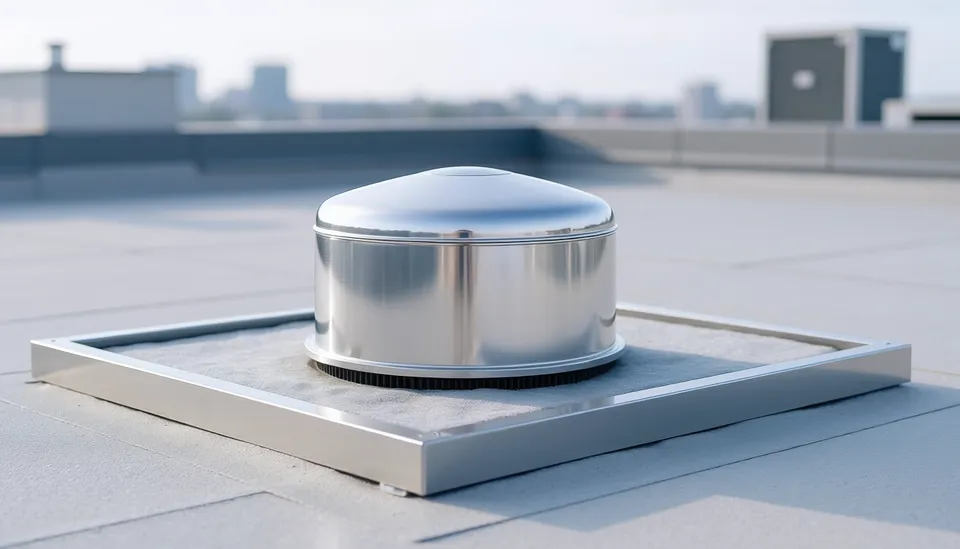
Rooftop grease containment is the collection system fitted around your exhaust fan to catch grease before it reaches the roof. NFPA 96, the national fire code for commercial kitchen exhaust, requires it on every grease-bearing system. A working setup has a few parts:
- Containment box or trap: the housing seated around the fan base that collects discharge as it runs off the fan.
- Absorbent pads or media: the replaceable material inside the box that soaks up grease so it can be removed cleanly.
- The rooftop grease path: the surrounding surface the fan discharges onto, degreased during each cleaning so buildup never accumulates.
Why It Matters on a Port St. Lucie Roof
Our climate is hard on a rooftop. More than 50 inches of rain a year carries uncontained grease across the membrane and toward drains, while long stretches of direct sun bake it into a stain that voids roofing warranties. Add the salt air off the Indian River Lagoon corroding fan housings and fasteners, and a neglected rooftop becomes a slip hazard and a repair bill at the same time. Containment is the cheap insurance against all of it.
Skipping containment costs you in four predictable ways:
- Roof damage: grease degrades the membrane and voids the roofing warranty.
- Code violations: missing containment is a common NFPA 96 write-up at inspection.
- Slip hazards: a grease-slicked roof is dangerous for anyone servicing the units.
- Saturated pads: media that is never changed stops absorbing and overflows.
How We Install and Service It
- Inspect the area around the upblast fan for grease discharge, pooling, and roof staining.
- Install or replace the grease-containment box, trap, or pads sized to the fan base.
- Clean the rooftop grease path during every exhaust cleaning so it never builds up.
- Swap saturated containment media on a maintenance schedule before it overflows.
- Dispose of the collected grease properly, never down a drain.
Serviced With Your Scheduled Cleaning
Containment media saturates over time, and how fast depends on your grease volume. We service it alongside your scheduled fan and hood cleaning rather than as a separate trip. The fan is already open and the surrounding roof surface is already being degreased, so the containment gets checked and the pads get changed in the same visit. That keeps your roof protected without a second service call or a second invoice.
Pricing depends on the type of containment system and how many fans your kitchen runs, with ongoing media replacement quoted per visit. Request a free quote and we will look at your rooftop, tell you exactly what it needs, and fold the service into a cleaning schedule built around how you cook.
Request a Free Quote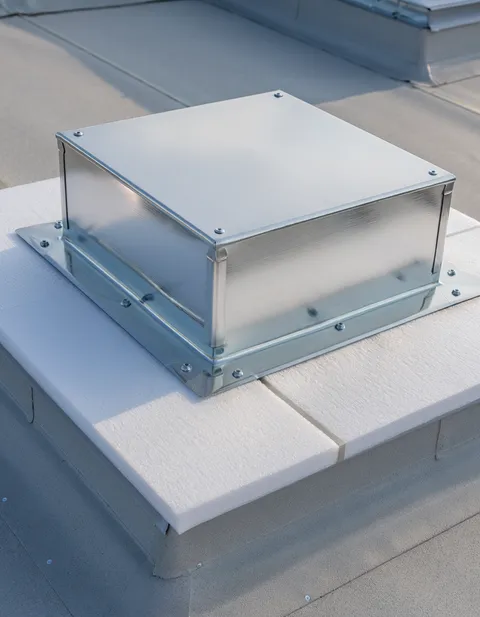

Rooftop Grease Containment: Common Questions
Yes. NFPA 96, the national fire code for commercial kitchen exhaust, requires a rooftop grease containment system on every grease-bearing setup, and missing containment is a common write-up at inspection. It also protects your roof. It keeps fan discharge off the membrane your landlord and insurer expect you to maintain. Installing and maintaining it is far cheaper than the violation or the roof repair.
It is a collection setup fitted around the base of your upblast exhaust fan. A containment box or trap housing catches the grease that runs off the fan. Absorbent pads or media inside soak it up so it can be removed cleanly, and the surrounding rooftop grease path is degreased during each service. Together they intercept discharge before it ever reaches the roof surface.
Every time the fan runs, a film of grease discharges around its base. Without containment it spreads across the roof membrane, bakes in the sun, and degrades the surface. That voids your roofing warranty. It also creates a slip hazard for anyone servicing the units up top. On a Port St. Lucie roof, 50-plus inches of rain a year carry that grease toward drains, salt air off the Indian River Lagoon corrodes housings and fasteners, and the sun bakes the stain in.
Absorbent media saturates over time, and how fast depends on your grease volume. A saturated pad stops absorbing and overflows, defeating the purpose. We change it on a maintenance schedule before it reaches that point. Most kitchens have it checked and the pads swapped during their scheduled fan and exhaust service, when the rooftop is already being serviced.
Yes, and that is how we recommend doing it. During your scheduled hood cleaning the fan is already open and the surrounding roof surface is already being degreased, so we check the containment and change saturated pads in the same visit. That keeps your roof protected without a second service call or a second invoice.
Pricing depends on the type of containment system and how many exhaust fans your kitchen runs, with ongoing media replacement quoted per visit. Folding the service into your cleaning schedule keeps the per-visit cost down. Request a free quote and we will look at your rooftop, tell you exactly what it needs, and build the service into a plan around how you cook.