

Commercial Kitchen Hood Cleaning in Port St. Lucie, FL
Grease never stops moving in a working kitchen. Every time your line fires up, vaporized grease leaves the cooktop, passes through the hood filters, climbs the ductwork, and exits the rooftop fan. A little sticks at every step. Left in place, that buildup fuels a flash fire and fails your inspection. We remove it the right way. St Lucie Hood Cleaning cleans the entire exhaust system to the standard your fire marshal enforces, for restaurants and commercial kitchens across Port St. Lucie.
What a Full Hood Cleaning Covers
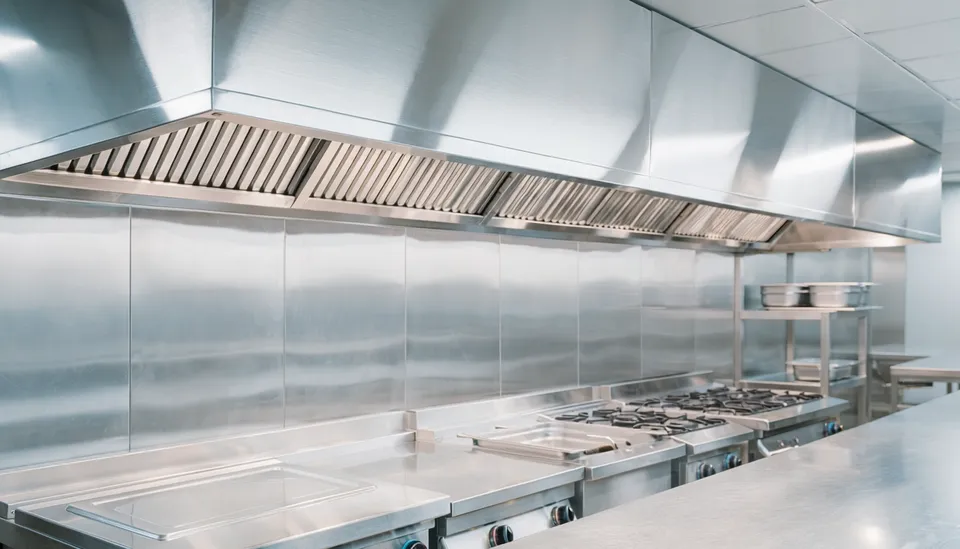
A real cleaning is not a wipe-down of the parts you can see. NFPA 96, the national fire code for commercial kitchen exhaust, requires grease to be removed down to bare metal across the whole system. We clean every section grease can reach:
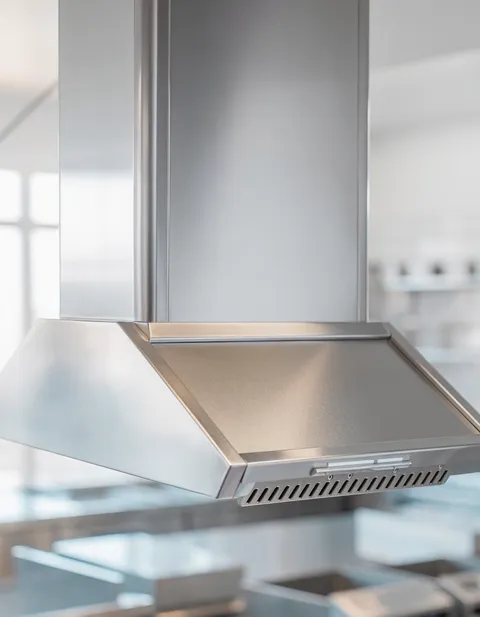
- Hood canopy & baffle filters: scraped and hot-washed, with the filters pulled and soaked in degreaser.
- Plenum & access panels: the chamber behind the filters where grease pools, opened and cleaned, never just sprayed.
- Vertical & horizontal ductwork: the hidden run between the hood and the fan where most grease fires start.
- Rooftop exhaust fan: hinged back, degreased, and checked for belt wear and proper airflow.
- Rooftop grease containment: grease boxes and pads cleaned or replaced so runoff never reaches your roof.
Our Cleaning Process, Step by Step
- Inspect the full system from hood to fan and measure grease depth against the code thresholds with a grease gauge.
- Cover and protect your cooking equipment, then remove the baffle filters to soak in degreasing solution.
- Scrape and hot-wash the hood canopy interior and underside, working top-down so grease drips out, not onto your line.
- Open the plenum and access panels and clean the ductwork along its full length.
- Hinge open the rooftop fan, degrease the housing and blades, and check the belt and airflow.
- Clean or replace rooftop grease containment, then reinstall the filters and wipe down the exterior.
- Document the work and apply a dated compliance service sticker for your inspector.
Why Port St. Lucie Kitchens Grease Up Faster
Our climate works against your exhaust system. Long, humid summers and more than 50 inches of rain a year keep grease tacky and speed up buildup. Salt air off the Indian River Lagoon corrodes rooftop fan housings and hardware that already run hot. Kitchens here need cleaning more frequently than the national minimums. In St. Lucie County, a single countywide fire district enforces those intervals for every kitchen from Tradition to the U.S.-1 corridor.
The fire code sets your cleaning frequency by how hard you cook:
- Monthly: solid-fuel cooking (wood, charcoal) and high-volume wok lines
- Quarterly: high-volume frying, grilling, and 24-hour kitchens
- Semi-annually: moderate-volume sit-down restaurants
- Annually: low-volume kitchens like churches, day cares, and seasonal venues
What You Get After Every Visit
- A bare-metal clean: verified deep at the access panels, where grease hides.
- A written report with photos: before-and-after proof for your records and your insurer.
- A dated compliance sticker: the tag your fire inspector looks for, signed and dated.
Kitchen exhaust systems are behind roughly a third of all restaurant fires. Nearly all of them are preventable with regular cleaning. Most NFPA 96 cleanings start around a $400 to $600 minimum and scale with the size of your system, how heavy the grease load is, and how easy the fan is to reach. Request a free quote and we will give you a clear breakdown and a cleaning schedule built around how you actually cook.
Request a Free Quote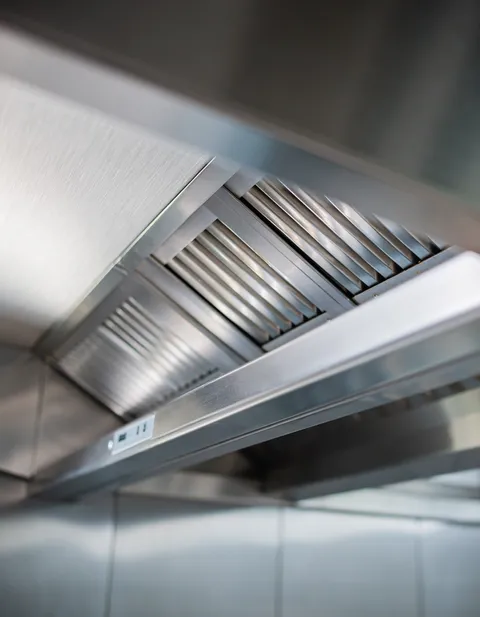

Hood Cleaning FAQs
Most code-compliant cleanings start around a $400 to $600 minimum nationally. The final number scales with the size of your system, how heavy the grease load is, and how easy the rooftop fan is to reach. A single-hood pizza shop and a multi-hood line with long duct runs are not the same job, so we price each kitchen after seeing it. Request a quote and we will give you a clear, itemized breakdown.
NFPA 96 sets it by how hard you cook. Solid-fuel kitchens (wood, charcoal) and high-volume wok lines are monthly. High-volume frying and 24-hour kitchens are quarterly. Moderate-volume sit-down restaurants are semi-annual, and low-volume venues like churches and day cares are annual. Port St. Lucie's humidity and salt air keep grease tacky and corrode rooftop hardware, so many kitchens here land at the more frequent end. The St. Lucie County Fire District can also require shorter intervals based on what an inspector finds.
We clean the entire grease path down to the metal, including the parts you can't see. That means the hood canopy and baffle filters, the plenum behind the filters, the horizontal and vertical ductwork, and the rooftop upblast fan and its housing. You also get before-and-after photos, a written report, and a dated compliance service sticker for your file.
Every accessible surface inside the hood, plenum, and duct is scraped and hot-washed down to the metal, not wiped to look clean. That is the standard inspections are measured against, because the leftover grease film is exactly what fuels an exhaust fire. We measure grease depth with a gauge against the code trigger of 0.002 in on the primary grease path to document that we hit it.
Yes. The St. Lucie County Fire District enforces the fire code, and inspectors look for a dated service sticker on the hood plus documentation of a recent full cleaning. A cosmetic wipe-down that leaves the ducts and chamber behind the filters coated won't pass. We leave you with the sticker, photos, and a written report so you can prove compliance to the fire marshal, your health inspector, and your insurer.
Under NFPA 96 §4.1.5, responsibility rests with the system owner, the restaurant operator, unless it is formally transferred in writing. The cleaner alone is not on the hook. That is why we hand you a documented, dated cleaning record every visit. Keeping that packet in a maintenance log is what protects you in a fire-marshal or insurance audit.