


Kitchen Hood Duct Cleaning in Port St. Lucie, FL
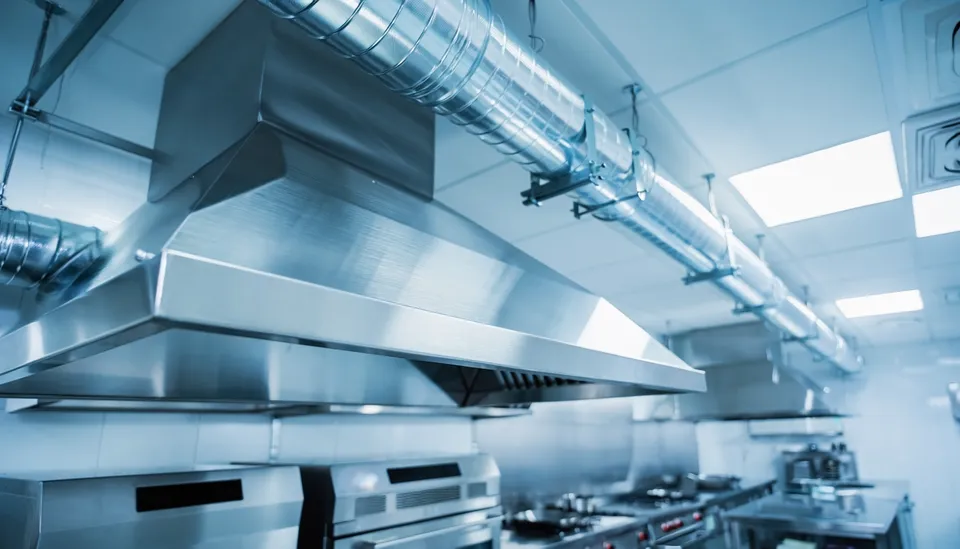
The ductwork between your hood and the rooftop fan is the part of the system nobody sees. That is exactly why it is the most dangerous. Grease quietly coats the inside of every run and riser, building up out of sight until it is thick enough to catch. That concealed buildup is where many exhaust fires start and how they travel through the building. St Lucie Hood Cleaning scrapes and washes the full duct path down to the metal as part of a code-compliant cleaning for restaurants and commercial kitchens across Port St. Lucie.
Why the Duct Is the Most Important Run to Clean
NFPA 96, the national fire code for commercial kitchen exhaust, applies its strictest grease-depth trigger to the ductwork. Cleaning is required once measured grease reaches just 0.002 inches (paper-thin) anywhere on this primary grease path. The reason is simple. The duct is a long, enclosed metal channel where grease collects without anyone noticing, and direction changes and vertical risers trap it where fast, cosmetic cleanings never reach.
- Horizontal runs: scraped and hot-washed along their full length, end to end.
- Vertical risers: the climbs where grease pools and gets skipped, cleaned top to bottom.
- Direction changes: every elbow and transition, where buildup concentrates, reached and cleared.
- The plenum: the chamber behind the filters that feeds the duct, degreased so it does not reload the run.
Our Duct Cleaning Process, Step by Step
- Locate and open the existing access points along the run.
- Measure grease depth against the 0.002-inch primary-grease-path trigger.
- Hand-scrape and hot-wash the horizontal runs, vertical risers, and every direction change.
- Enter larger duct sections manually where needed to reach buildup tools alone cannot.
- Add access panels to any run that cannot otherwise be reached.
- Restore every panel to operational condition and tag each opened panel with our company name and the service date.
What If My Ducts Don't Have Access Panels?
We add them. The fire code requires the system be accessible for cleaning, so where a run is sealed or under-paneled, we cut in new openings, clean the section, and restore each one to operational condition with a dated service tag (NFPA 96 §12.6.10). Important Note: a duct you cannot open is a duct that cannot be cleaned to code. Our written report flags any section we could not reach, so it can be opened up before it becomes a fire or inspection problem.
Why Port St. Lucie Ducts Load Up Faster
Our climate keeps grease working against you. Long, humid summers and more than 50 inches of rain a year keep grease tacky, so it clings to duct walls and risers instead of drying out. That accelerates the buildup along the hidden run. Kitchens here hit the 0.002-inch trigger sooner than the national minimums suggest, and in St. Lucie County a single countywide fire district enforces those intervals for every kitchen from Tradition to the U.S.-1 corridor. If you run solid-fuel cooking, a spark arrestor is required to keep embers out of the duct entirely.
Duct cleaning is part of every full-system cleaning we do. Long, complex, or sealed runs that need new panels cut in are scoped into the quote. See our full hood cleaning service for the whole grease path from hood to fan, or request a free quote and we will assess your duct access before we start.
Request a Free Quote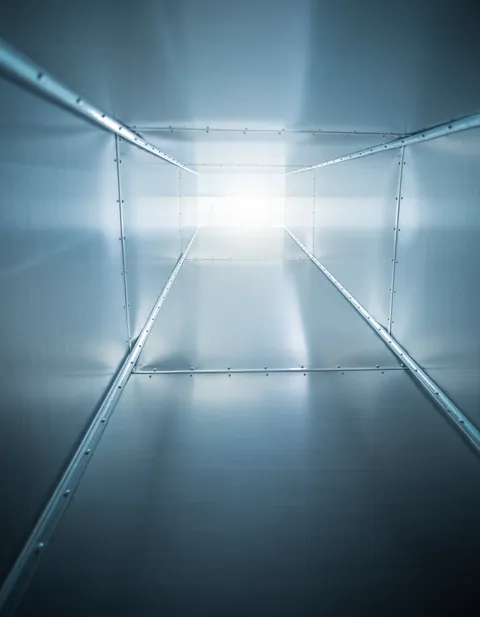

Duct Cleaning FAQs
Grease quietly accumulates out of sight along the duct between your hood and the rooftop fan. That hidden buildup is a leading place for exhaust fires to start and spread through the building. Because it is the primary grease path, the fire code applies its strictest grease-depth trigger here: 0.002 in, paper-thin. A quick cleaning that only addresses the hood leaves the riskiest stretch untouched.
We install them. The code requires the system be accessible for cleaning, so where a duct run is sealed or under-served we add panels to reach it, then restore each one to operational condition. Every opened panel gets a service tag with our company name and the service date, per NFPA 96 §12.6.10, so inspectors can see the duct was actually cleaned.
We hand-scrape and hot-wash the horizontal runs, vertical risers, and every direction change. Those bends and elbows are where grease collects and quick cleanings skip. On larger duct sections, a technician physically enters the run to reach buildup that brushes and tools leave behind. The goal is bare metal along the full length, openings and hidden runs alike.
The duct is concealed, so the warning signs show up elsewhere. Smoke will not clear from the line. You notice a rancid or greasy odor, higher exhaust temperatures, or a system that no longer pulls like it used to. By the time those appear, the duct is well past the 0.002 in threshold. We measure grease depth with a gauge so you get an objective reading instead of a guess.
Yes. Solid-fuel cooking deposits heavier, stickier grease and carbon. That is why the fire code puts wood and charcoal operations on a monthly cleaning interval, the most frequent tier. These systems also need a spark arrestor on the exhaust to stop embers from entering the duct and igniting that grease. We check for one and flag it in your report if it is missing.
Every service comes with a written report that documents the cleaning and flags any duct sections that could not be reached, so they can be opened up. NFPA 96 §12.6.14-15 requires it. You also get before-and-after photos and the tagged panels as proof. That packet is what the St. Lucie County Fire District and your insurer want to see, so request a quote to get on a schedule.