

Commercial Kitchen Filter Exchange in Port St. Lucie, FL
The baffle panels stand between your cook line and the rest of the exhaust system. They catch grease the moment it rises off the cooktop, so they load up fast. Saturated panels choke airflow and let grease slip past toward your ducts and fan. St Lucie Hood Cleaning runs a scheduled filter exchange for Port St. Lucie kitchens. We bring you fresh, code-listed baffles, take the dirty ones away to degrease, and keep your hood's first line of defense working between full cleanings.
What a Filter Exchange Program Is
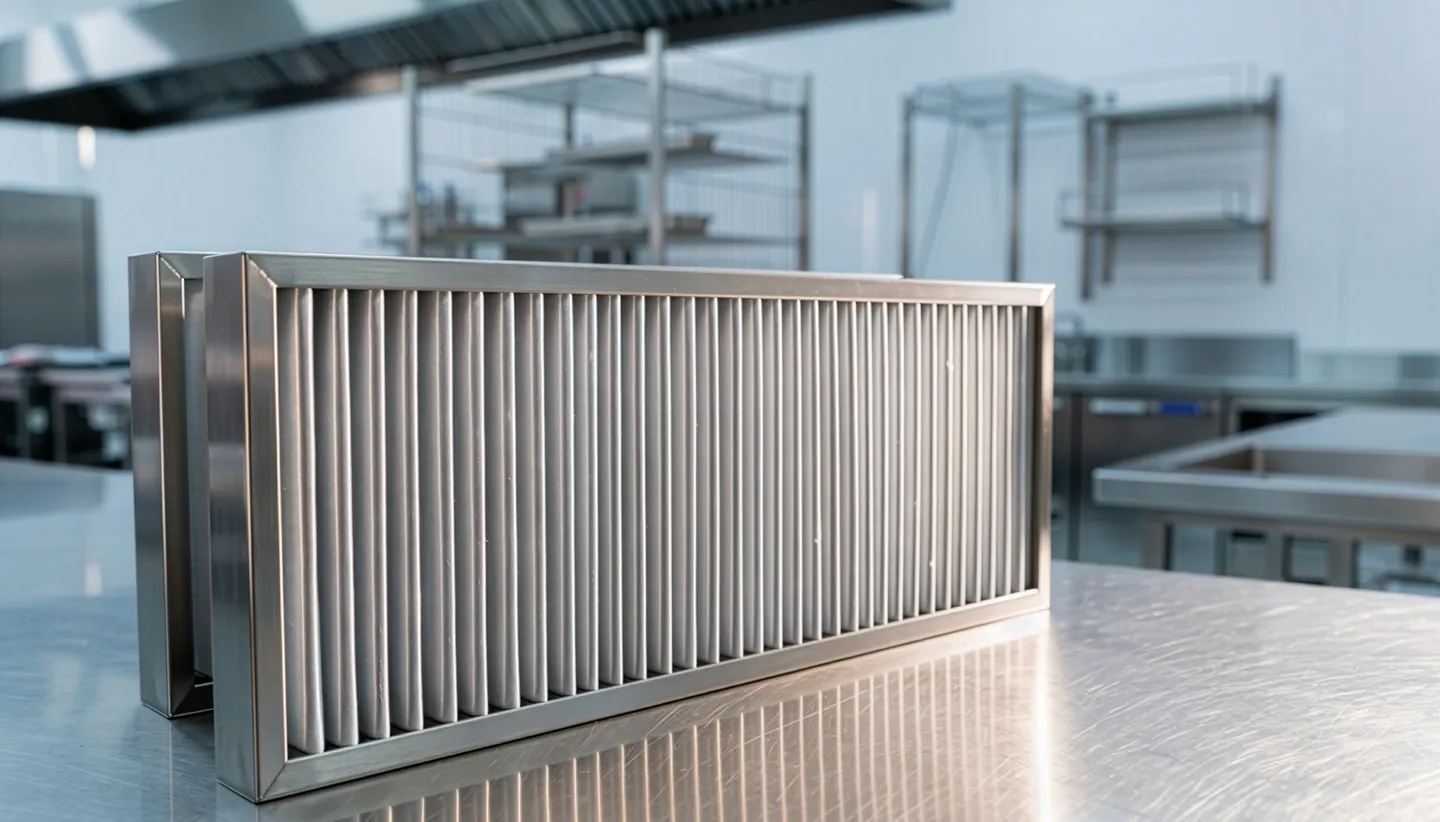
A filter exchange is a standing service that keeps clean baffles in your hood at all times. These are the stainless-steel grease-extraction panels seated in the hood opening, and the national fire code requires a type listed to UL 1046. On each visit we handle the swap so your staff doesn't have to:
- Fresh set in: listed, UL 1046 baffles go into the hood, intact and securely mounted.
- Loaded set out: the grease-loaded panels leave with us to be soaked, scrubbed, and rinsed until light passes through.
- A tracked cadence: exchanges are scheduled to your cooking volume so filters never reach the saturation point.
Why a Loaded Set Costs You
When the panels clog, the whole system pays for it. Grease-saturated baffles force the exhaust fan to work harder and pull less air. That traps heat in your kitchen, drives up energy bills, and shortens the life of the equipment doing the work. Filters that can't capture grease send it downstream, loading your ducts and fan faster and pulling forward your next full cleaning. Neglected baffles cause a chain of problems:
- Choked airflow. Saturated baffles trap heat in the kitchen and overwork the fan.
- Faster downstream buildup. Grease that gets past the filters loads your ducts and fan.
- Code exposure. Non-listed or damaged filters fail to capture grease and raise inspection issues.
- Lost staff time. In-house soaking and scrubbing pulls your team off the line.
How the Exchange Works
- Assess your cooking volume to set the right exchange cadence.
- Swap the heavy, grease-loaded baffles for a clean, UL 1046-listed set on each visit.
- Take the dirty panels back to soak in degreasing solution, scrub, and rinse until light passes through.
- Confirm the incoming set is intact and securely mounted in the hood.
- Track each exchange so the schedule supports your code cleaning interval.
It Complements Hood Cleaning, It Doesn't Replace It
A filter exchange is preventive maintenance. It is not a substitute for a full system cleaning. Fresh panels cut the grease load and protect airflow, but NFPA 96 still requires the full system, including the plenum, ductwork, and fan, cleaned to bare metal by certified technicians. The exchange program keeps the front line clean between those visits and helps your hood cleaning interval hold.
Pricing is per visit, by filter count and how often you need the exchange, and it scales with your cooking volume. Request a free quote and we'll set a cadence that keeps clean baffles in your hood and the grease where we can manage it.
Request a Free Quote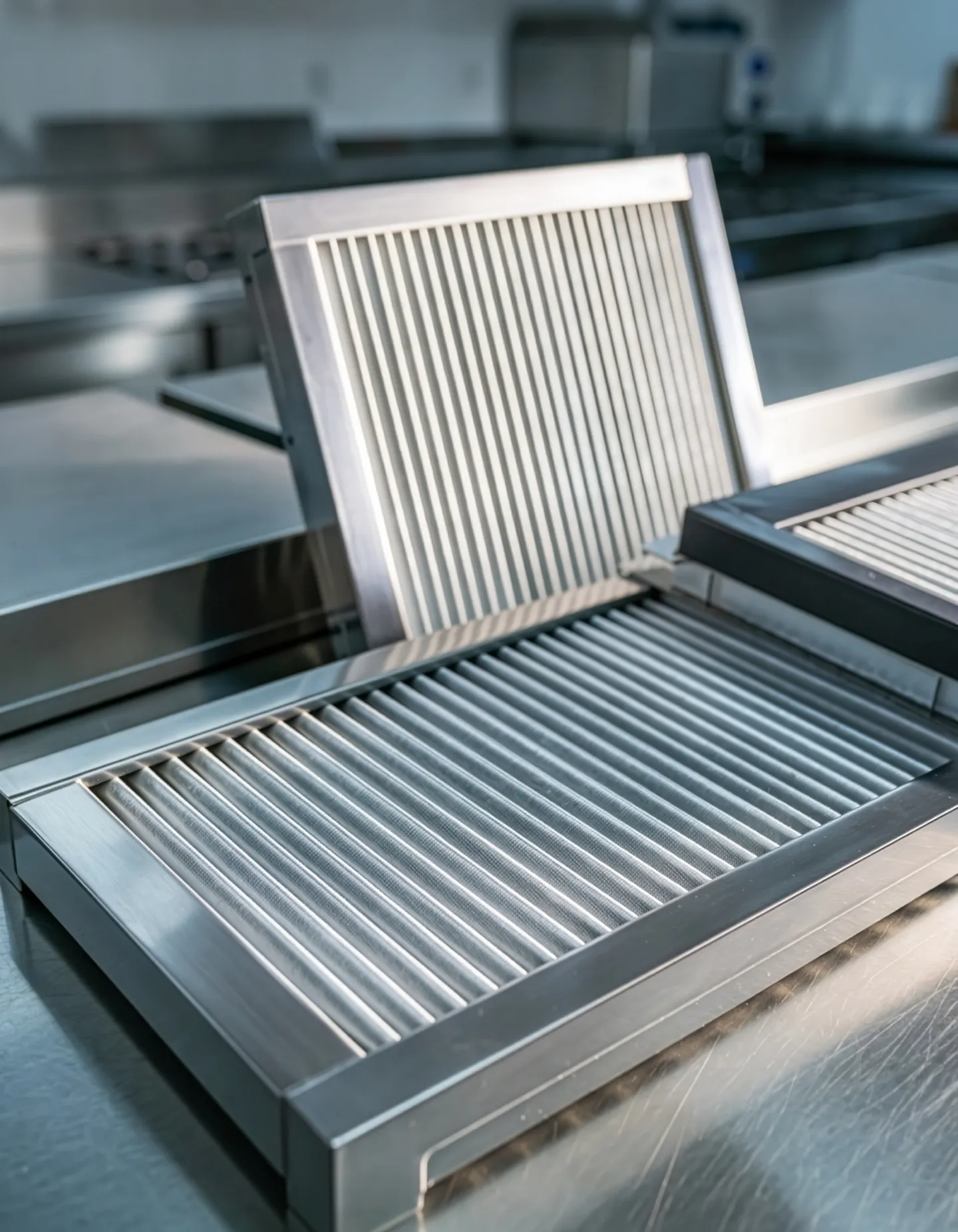

Filter Exchange Program: Common Questions
It's a standing service that keeps clean baffles in your hood at all times. On each visit we bring a fresh, listed rack, install them intact and securely mounted, and take the grease-loaded panels away to be soaked, scrubbed, and rinsed until light passes through. Exchanges are scheduled to your cooking volume so the metal mesh filters never reach the saturation point on the line.
No. It's preventive maintenance, not a substitute. Fresh panels cut the grease load and protect airflow, but the national fire code still requires the full system, including the plenum, ductwork, and fan, cleaned to bare metal by certified technicians. The exchange keeps the front line clean between those visits and helps your hood cleaning interval hold.
Stainless-steel baffle filters listed to UL 1046, which is the type NFPA 96 requires. These are the grease-extraction panels seated in the hood opening and your kitchen's first line of grease capture. Non-listed or damaged panels fail to capture grease properly and raise issues at inspection, so we confirm yours are intact and securely mounted on every visit.
It depends on your cooking volume. A high-grease, high-volume line saturates the panels far faster than a low-volume kitchen, so we set the cadence to how you actually cook. Watch for early signs you've outrun the schedule: visible grease pooling on the baffles, reduced pull at the hood, or lingering odors. We track each exchange so the cadence keeps pace and supports your NFPA 96 cleaning interval.
Saturated baffles choke airflow. The exhaust fan works harder and pulls less air, which traps heat in the kitchen, drives up energy bills, and shortens equipment life. Panels that can't capture grease let it slip downstream, loading your ducts and fan faster and pulling your next full cleaning forward. Keeping fresh baffles in the hood slows that whole chain down.
In-house soaking and scrubbing pulls your team off the line and rarely gets baffles back to bare metal. With an exchange, clean panels arrive ready to install and the dirty ones leave with us. Your staff never handles caustic degreaser or a sink full of grease. In Port St. Lucie's humidity, where grease stays tacky and clings, that consistency keeps the hood's first line of defense working between full cleanings.