

Commercial Kitchen Deep Cleaning in Port St. Lucie, FL
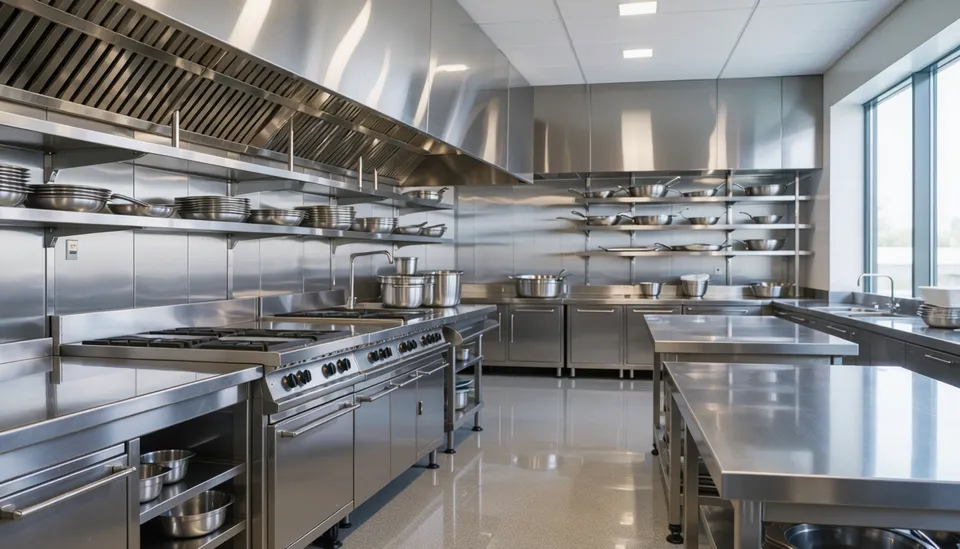
Your hood and exhaust system catches most of the grease your line throws off, but not all of it. What escapes settles on the walls, ceilings, and the outside of every piece of equipment in the kitchen. There it bakes on, holds odors, and fosters bacterial growth. A deep cleaning brings those surfaces back to a clean, inspection-ready state. St Lucie Hood Cleaning provides top-to-bottom kitchen deep cleaning that complements your NFPA 96 hood service for restaurants and commercial kitchens across Port St. Lucie.
Is Deep Cleaning the Same as Hood Cleaning?
No, and that distinction matters. Hood cleaning targets the NFPA 96 grease path: the hood, ductwork, plenum, and rooftop fan, cleaned for fire safety. Deep cleaning addresses everything around it. That means the walls, ceilings, floors, and equipment exteriors where grease and debris settle and turn into a sanitation problem. They solve different problems, and they work best together. A clean exhaust system and a clean kitchen are what carry you through both the fire marshal and the health inspector.
What a Deep Cleaning Covers
- Walls & ceilings: degreased and scrubbed where airborne grease lands and bakes on.
- Equipment exteriors: the outside of fryers, ranges, and grills along the cook line, detailed and degreased.
- Floors & drains: scrubbed and rinsed so grease and debris never accumulate underfoot.
- Grease trays & cups: emptied and disposed of properly, never poured down a drain.
Our Deep Cleaning Process, Step by Step
- Protect and cover food-contact and electrical areas before any chemicals are applied.
- Apply caustic degreasing solution to walls, ceilings, and equipment exteriors and let it dwell to break down baked-on grease.
- Scrub and hot-water rinse, working top-down so grease drips toward the floor instead of onto cleaned surfaces.
- Degrease and detail the cooking-equipment exteriors along the line.
- Empty grease trays and cups and dispose of the grease properly, never down a drain.
- Final wipe-down and sanitation of every cleaned surface.
Why It Matters Beyond Appearance
Built-up grease and debris do more than look bad. They foster bacterial growth and microorganisms, produce odors that drive guests away, and contribute to foodborne-illness risk. All of it shows up directly in your health-inspection results. Important Note: grease should never be poured down a drain during cleaning. It causes plumbing backups and is its own code issue, so we collect and dispose of it properly every time.
Why Port St. Lucie Kitchens Need It More Often
Coastal humidity works against a clean kitchen. Long, humid summers keep grease tacky, so it clings to walls and equipment instead of drying. That same warmth and moisture speed up the bacterial growth and odors that grease feeds. Kitchens here benefit from deep cleaning on a tighter schedule than drier climates require. Most owners bundle it with their scheduled hood service, so the whole kitchen, inside and around the exhaust system, stays inspection-ready at once.
Deep cleaning is quoted by your kitchen's square footage, surface condition, and scope. Most owners bundle it with scheduled exhaust service for a kitchen that is clean from the floors to the rooftop fan. See our full hood cleaning service, or request a free quote and we will build a plan around how your kitchen actually runs.
Request a Free Quote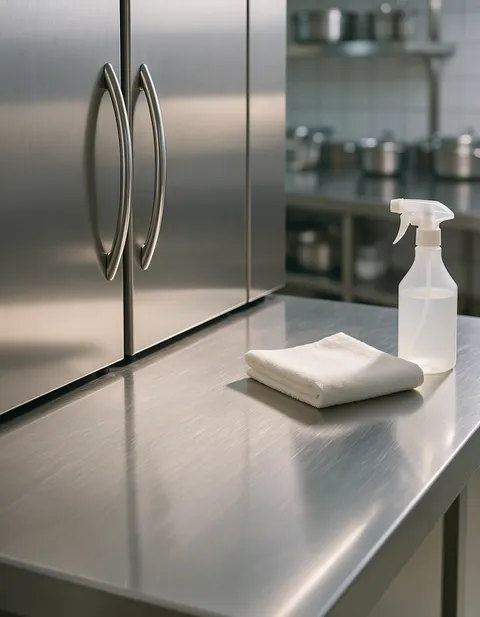

Commercial Kitchen Deep Cleaning: Common Questions
It covers the surfaces your exhaust cleaning does not: the walls, ceilings, and floors around the line plus the exteriors of fryers, ranges, and grills where airborne grease lands and bakes on. We degrease, hot-water rinse, and sanitize each surface, then empty grease trays and cups and dispose of the grease properly. The goal is a clean, inspection-ready kitchen, not a wiped-down one.
No. The hood service targets the NFPA 96 grease path: the hood, ductwork, plenum, and rooftop fan, cleaned to bare metal for fire safety. Deep cleaning handles everything around the exhaust system, where grease and debris settle into a health-code problem. They solve different problems and work best scheduled together, so you are ready for both the fire marshal and the health inspector.
Built-up grease and debris on walls, ceilings, and equipment foster bacterial growth, hold odors, and contribute to foodborne-illness risk. A health inspector looks for all of it. A documented deep cleaning brings those surfaces back to a sanitary state and removes a common source of write-ups. It is the sanitation side of staying inspection-ready, alongside your fire-code hood service.
It depends on your cooking volume, but coastal humidity pushes the schedule tighter here than in drier climates. Long, humid summers keep grease tacky so it clings to walls and equipment instead of drying, and that same warmth speeds up the bacteria and odors grease feeds. Most kitchens here do best bundling deep cleaning with their scheduled hood service so the whole kitchen stays clean at once.
No. We protect and cover food-contact and electrical areas before any caustic degreasing solution is applied, then work top-down so grease drips toward the floor instead of onto cleaned surfaces. Every cleaned surface gets a final wipe-down and sanitation pass. We schedule around your service hours to keep the line moving.
We quote it by your kitchen's square footage, the condition of the surfaces, and the scope of work. Most owners bundle it with their scheduled hood service. Combining the two on one visit is the most cost-effective way to keep the whole kitchen inspection-ready. Request a free quote and we will build a plan around how your kitchen actually runs.