

Restaurant Exhaust Fan Cleaning in Port St. Lucie, FL
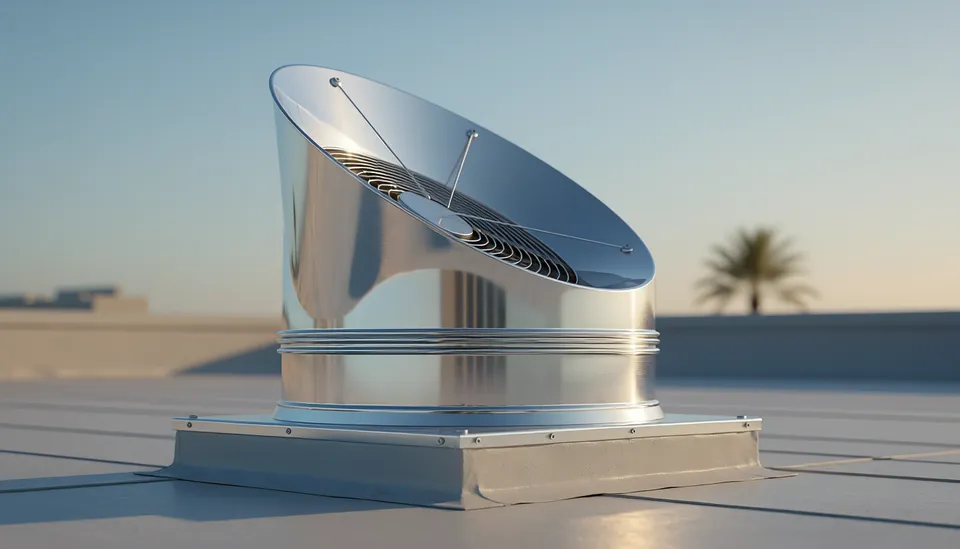
The rooftop upblast fan is the engine of your whole exhaust system. It pulls vaporized grease off the cook line, through the hood and ducts, and out over the roof. Every bit of that grease passes through it, so the fan loads up fast. A grease-caked fan loses balance, vibrates, wears its bearings, and moves less air. Heat and smoke then back up into the kitchen. St Lucie Hood Cleaning services the rooftop fan as part of a full exhaust-system cleaning for restaurants and commercial kitchens across Port St. Lucie.
What Fan Service Includes
Cleaning a fan properly means more than spraying the blades you can see. We lock out the power, open the unit up, and degrease both the moving and stationary parts that grease reaches:
- Blades & housing: hot-washed to strip the grease that throws the fan out of balance and chews up bearings.
- Drive belt: inspected for wear and slack, then tensioned or replaced so the fan moves the air it should.
- Rooftop grease path: the surface the fan discharges onto, scraped and cleaned so grease never tracks across your roof.
- Fan access: a hinge or housing access opening added when the fan lacks the cleaning access the fire code requires.
Our Fan Cleaning Process, Step by Step
- Lock out fan power so the unit is safe to open and work on.
- Tilt the fan back on its hinge, or open the housing access panel, to reach the blades and interior.
- Hot-wash the blades and housing to remove the grease that unbalances the fan and strains the motor.
- Inspect and adjust the drive belt tension, and flag a worn belt for replacement.
- Check and clean the rooftop grease path the fan discharges onto.
- Install a hinge kit or access opening if the fan cannot otherwise be cleaned to code.
Why Your Fan Needs Proper Access
NFPA 96, the national fire code for kitchen exhaust, requires the rooftop fan be reachable for cleaning. Under §8.1.6.3 that means a hinged fan with a hold-open retainer, or a minimum 3"x5" (or 4" diameter) access opening on the housing. A fan without either cannot be cleaned down to the metal, and it is one of the first things an inspector looks for. Important Note: if your fan is bolted down with no way to tilt it open, that is a code gap we close in the same visit by installing a hinge kit.
Why Port St. Lucie Fans Wear Out Faster
Rooftop fans here take a beating the national averages do not account for. Salt air off the Indian River Lagoon corrodes fan housings, hardware, and bearings that already run hot. Long humid summers keep grease tacky, so it cakes onto the blades instead of drying and flaking. That combination throws fans out of balance sooner. Regular cleaning and belt checks catch that wear before it becomes a motor replacement. St. Lucie County runs a single countywide fire district, so the same cleaning-access rules apply to every kitchen from Tradition to the U.S.-1 corridor.
Signs Your Fan Needs Service Now
- Unusual exhaust noise: rattling or vibration means a grease-loaded, out-of-balance fan
- Weak pull: heat and smoke lingering on the line point to reduced airflow
- Rising energy bills: a struggling fan works harder to move less air
- Visible grease: buildup on or around the rooftop unit
Fan cleaning and a belt check are part of every full exhaust-system cleaning we do. We also handle standalone fan service and hinge-kit installation when that is all you need. A clean, properly tensioned fan restores the pull that keeps your kitchen cooler and your energy load down. See our full hood cleaning service, or request a free quote and we will size the job to your fan's condition.
Request a Free Quote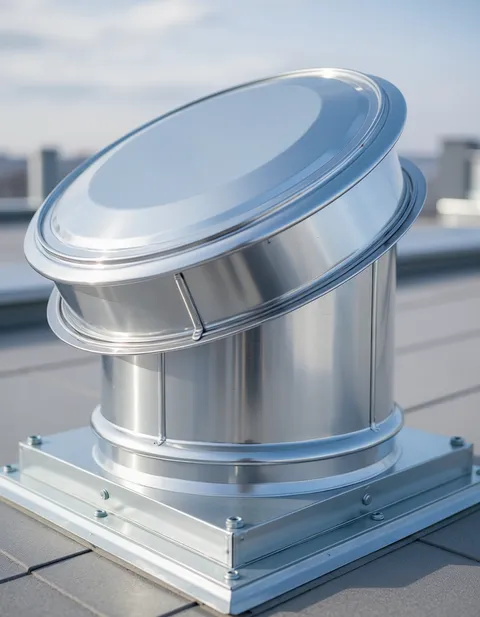

Exhaust Fan Cleaning FAQs
The upblast fan on your roof pulls air through your whole exhaust system, and grease cakes onto the blades and housing as it runs. That buildup throws the fan out of balance, so it vibrates, wears the bearings and belt, and moves less air. Heat and smoke get trapped in your kitchen. Hot-washing the blades and housing restores proper balance and pull. That is why it is a core part of every full cleaning.
A hinge kit lets the fan tilt back on a hold-open retainer so the blades, housing, and the duct opening underneath can be cleaned and inspected. NFPA 96 §8.1.6.3 requires this access: either a hinged design or a minimum 3"x5" (or 4" diameter) opening in the housing. If your fan is bolted down solid, it cannot be cleaned to code, and that is a gap inspectors flag. We add the hinge mechanism when your fan lacks one.
Watch for a few clear signs. The kitchen feels hotter and smokier than usual. Smoke lingers over the line. You hear rattling or vibration from the roof, or your energy bills climb. Each one points to a fan that has lost pull to grease. Grease streaks running down from the fan base onto the roof are another cue. Any of these means the fan is overdue and likely past the code's grease threshold.
Yes. While the fan is hinged open we inspect and adjust the drive belt tension and check for the wear that a grease-loaded, out-of-balance fan causes over time. A slack or worn belt cuts the fan's performance and pull, so we replace it when needed. Catching belt and bearing wear early is far cheaper than a fan motor failure mid-service.
Yes. We quote standalone fan service and hinge-kit installation on their own, by fan size and condition. The fan is the last stop on the grease path, though, so cleaning it while the ducts and plenum stay coated only does part of the job. Most kitchens get the best value bundling fan service into a full system cleaning. Request a quote and we will lay out both options.
It does. The salt air off the Treasure Coast and Indian River Lagoon corrodes rooftop fan housings, bearings, and hardware that already run hot, and our humidity keeps grease tacky so it clings harder to the blades. That combination wears coastal exhaust fans faster than inland ones, so regular cleaning and belt checks matter more here. We clean the rooftop grease path the fan discharges onto at the same time to protect your roof.