


How to Fix a Rattling Restaurant Rooftop Exhaust Fan
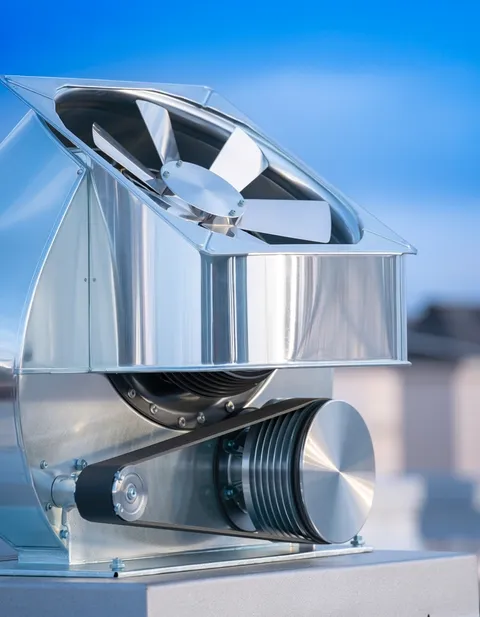
The exhaust fan on your roof that rattles, vibrates, or hums louder than it used to is telling you one thing. Grease has built up unevenly on the blades and thrown the whole wheel out of balance. An upblast fan spins fast, and even a thin, lopsided grease coating acts like a missing wheel weight. The imbalance shakes the housing, hammers the bearings, and gets worse the longer it runs. So you find why it shakes, then clean or service it before the vibration destroys the bearings or the belt. Here is how to run that down.
Why a Rooftop Fan Starts to Rattle
Almost every rattling-fan call comes down to one of these, and they stack on top of each other:
- Unbalanced, grease-loaded blades: this is the number-one cause. Grease cakes onto the blades unevenly, so the fan wheel is no longer balanced and vibrates harder the faster it turns. Hot-washing the blades and housing back to bare metal clears the rattle on its own.
- Worn or loose bearings: once an unbalanced fan has been shaking for a while, the bearings take the punishment. A grinding, growling, or metal-on-metal note, rather than a hum, points to bearings that are already worn and need replacement.
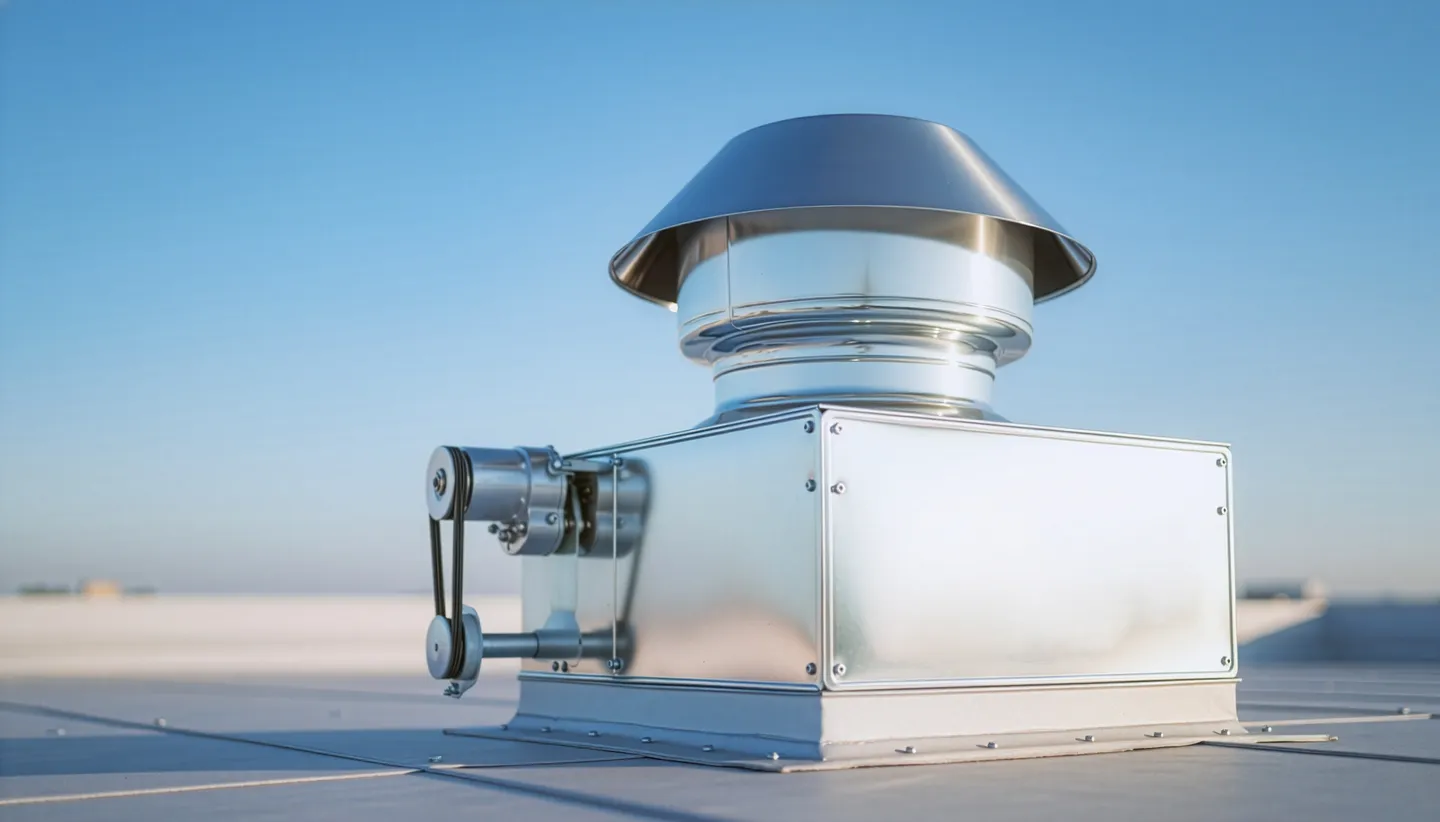
- A loose or worn drive belt: a belt that is glazed, cracked, or slack flaps and slips, adding its own vibration and a squeal at startup. Check belt tension any time a fan is noisy.
- Loose mounting hardware: vibration backs out bolts over time, so a fan that has rattled for months often has loose hold-down or hinge hardware adding to the noise.
Diagnose It Safely First
Use with Caution: a rooftop fan means working at height around a unit that turns fast and runs hot. Lock out the fan power before anyone gets near the blades. If you are not comfortable on the roof or with the electrical lockout, call a technician. Never service a fan that can still start.
With power locked out, you can narrow the cause:
- Tilt the fan back on its hinge kit, or open the housing access panel, and look at the blades. Heavy, uneven grease confirms the most likely cause.
- Spin the wheel by hand. It should turn freely and smoothly. Grinding, catching, or play in the shaft points to bearings.
- Check the belt for cracks, glazing, and tension. It should deflect only slightly under finger pressure, not flop.
- Confirm the mounting bolts and hinge hardware are tight.
The Fix, Step by Step
Most of the time the cure is a thorough fan cleaning plus a belt and bearing check:
- Hot-wash the blades and housing: remove the grease evenly down to bare metal so the wheel is balanced again. This alone resolves the majority of rattles.
- Inspect and re-tension or replace the belt: a fresh, properly tensioned belt removes belt-driven vibration and restores full fan speed.
- Check the bearings: if they grind or have play after cleaning, they are worn and should be replaced before they seize.
- Verify access and re-secure: confirm the fan has the NFPA 96 access it needs to be cleaned, a hinge kit or a code-sized housing opening, then re-tighten all hardware.
Important Note: a noisy fan is rarely a fan-only problem. If grease has loaded the blades enough to unbalance them, the same grease is coating the ducts and plenum upstream. Those hidden runs are where most exhaust fires actually start. Cleaning only the fan treats the symptom and leaves the fire load in place.
Why It Is Worse on the Treasure Coast
Upblast fans here take a double hit. Long, humid summers and more than 50 inches of rain a year keep grease tacky, so blades load up and unbalance faster than in a drier climate. The salt air off the Indian River Lagoon corrodes fan housings, bearings, and fasteners that already run hot. That is why a rattling fan on the coast often needs a bearing or hardware check, not a wash alone. Schedule a pre-hurricane-season fan inspection for the same reason.
Cleaning and servicing the fan is part of a full NFPA 96 cleaning, which takes the whole grease path to bare metal. That means the hood, plenum, ducts, and the upblast fan. It typically starts around a $400 to $600 minimum, scaling with system size, grease load, and fan access. If your fan is rattling, do not wait for the bearings to go. Get in touch for a free assessment and we will get up there, find the cause, and balance it back out. See our commercial kitchen hood cleaning service for what a full cleaning covers.
More Hood Cleaning Guides
- Signs Your Commercial Kitchen Exhaust Fan Belt Needs Replacement
- Roof Damage from Restaurant Grease: How to Prevent It
- Best Commercial Kitchen Hood Filters for Heavy Grease
- All hood cleaning resources